This is [Not] Who We Are
2022 • 1h 16m • Documentary
Availability
Virtual
Available until Dec 31, 2026
Available Worldwide
On-demand
Available until Dec 31, 2026
Available Worldwide
In-person
Available until Dec 31, 2026
Available Worldwide
Share with friends
Share with friends
Share with friends
About the film
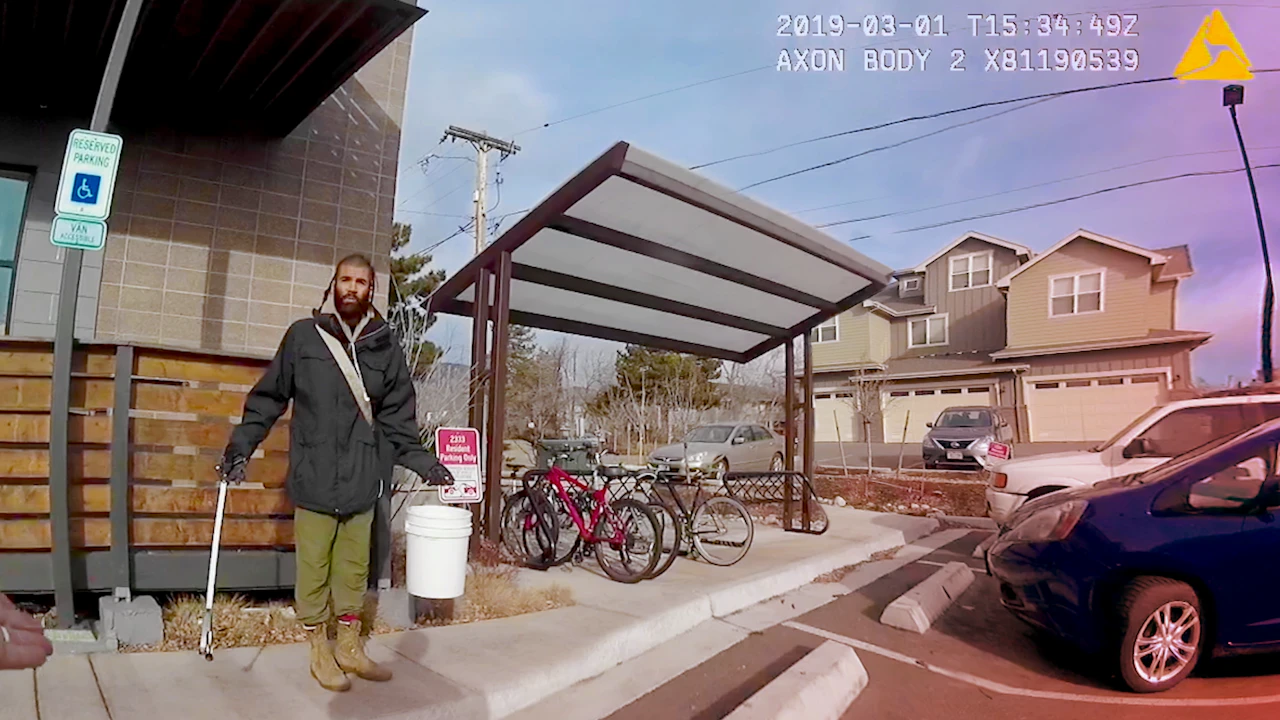
University student Zayd Atkinson was cleaning up the grounds of his dorm— duties of his work-study job— when he was threatened by eight police officers with guns drawn. He lived to tell the story that many Black men have not survived. As the body-cam footage of this encounter went viral, Atkinson's story sparked a reckoning for one town as the implicit biases of its institutions and the continuation of its broader history were laid bare.
This Is [Not] Who We Are explores the gap between Boulder, Colorado's progressive self-image and the lived experiences of its small but resilient Black community. Boulder is emblematic of predominantly white communities that profess an inclusive ethic but live in a segregated reality. The film explores the intersecting issues of land use, affordability, racial and class-based segregation, youth issues, education, and policing, which together reveal deeply entrenched, often un-intended, structural inequalities that have reverberated through generations.
Director
Katrina Miller, Beret Strong
Crew
John Tweedy, John Tweedy
Awards & recognition
Indianapolis Black Documentary Film Festival
Best Feature Documentary
Hamilton Black Film Festival
Best Feature Documentary
Baltimore International Black Film Festival
Best Feature Documentary
DocUtah International Documentary Film Festival
Official Selection
St Louis International Film Festival
Official Selection
Portland Film Festival
Official Selection
Oxford Film Festival
Official Selection
What people are saying
‘"By allowing the Black community their voice, Miller forces the audience to listen and learn. One of the most affecting scenes comes when a young girl, Celine Miriam Samuel, articulates her fear that she could 'all of a sudden be shot' by police. The other voices in the film convey to white viewers the need to step back and let the Black community lead. This highly recommended film would be perfect for starting a conversation about structural racism in the viewer's local towns and cities."‘
Timothy W. Kneeland
‘"By allowing the Black community their voice, Miller forces the audience to listen and learn. One of the most affecting scenes comes when a young girl, Celine Miriam Samuel, articulates her fear that she could 'all of a sudden be shot' by police. The other voices in the film convey to white viewers the need to step back and let the Black community lead. This highly recommended film would be perfect for starting a conversation about structural racism in the viewer's local towns and cities."‘
J. Zimmerman
Gallery


